The problem
Community Integration Manager is the ops backbone for health plans and partners: eligibility, authorizations and referrals, claims, utilization management, care management, population health. Real work. High stakes. Multi-tenant. PHI everywhere.
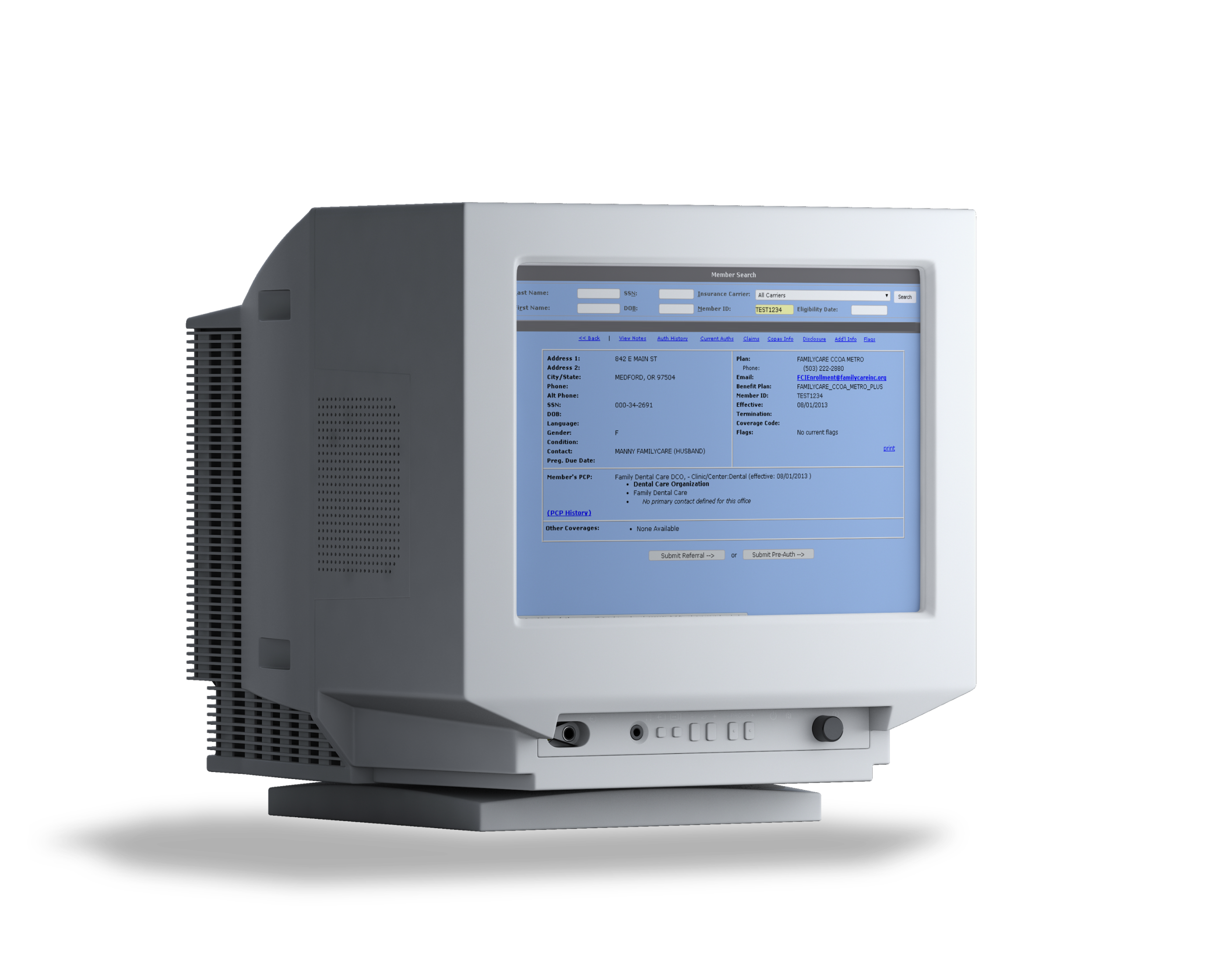
The product had grown for decades. Patterns that made sense in the early 2000s were still shaping how people submitted care types, took call notes, configured programs, and bounced across a member record. There was no durable design practice when I started—no shared system for teams to build against, and a brand still tied to the old company name.
Research
- Production UI audit (legacy patterns)
- Call center and provider office research
- Plan partner workflow reviews
- Eng capacity / architecture tradeoffs
- Design system adoption with product teams
That meant sitting with call center leadership while notes lived in Word, watching provider offices fight flat care-type lists, and reviewing plan-side repair work. The platform’s age showed up as cognitive load and inconsistent craft—not a PowerPoint about “modern UX.”
What I owned
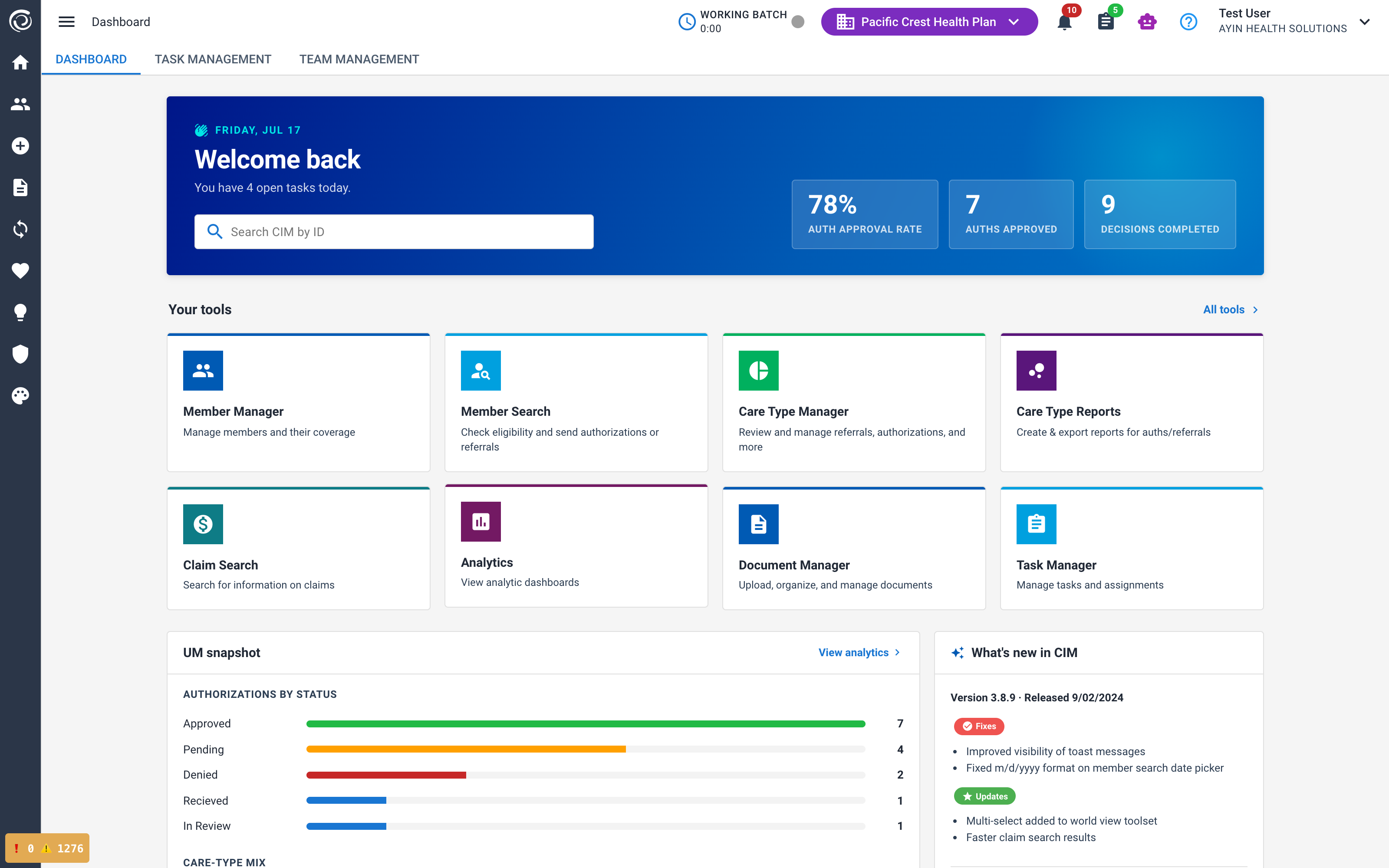
I stood up design at PHTECH/Ayin: research practice, critique, testing, the first style guide and atomic design system that grew into today’s Figma system. I led the PHTECH → Ayin rebrand (brand direction and rollout). And I designed major workflow products on that foundation: call-center notes, care types, care management, assessments, and configuration.
Approach
Stand up design practice and a shared system, align the brand, and prove it with workflows people actually ship.
Hypothesis: if design has a real practice and a shared system, dense healthcare workflows can modernize without a rewrite. Goal: consistent craft, faster delivery for product teams, and products operators actually adopt.
- Practice: research, usability, critique—so improvements aren’t designer opinion alone.
- System: style guide → atomic components → Figma system used across plan and provider surfaces (and later LLM-ready packaging for Accelerator work).
- Brand: PHTECH → Ayin rebrand leadership so the company and product language match the work.
- Proof in product:call center, care types, care management, assessments, configuration—each a modernization of a real ops job.
What “modern” meant here
Not flat cards for their own sake. For this platform, modern meant:
- Structure that matches how plans and providers actually work (types, steps, queues).
- Notes and tasks inside the system of record—not Word and email side channels.
- A design system eng and design can share so every feature doesn’t invent a new UI dialect.
- Safe multi-tenant and PHI defaults as product surfaces, not afterthoughts.
Later Accelerator work (Iris, AI Claims, Wiki, CIM lab) stands on that foundation. You don’t get trustworthy GenAI ops UIs if the underlying craft is still 2003.
Results
- First formal design practice on a platform used by about ~13K users (~1.2M members, ~8.8M claims in scale language we use elsewhere).
- Design system path: style guide → atomic system → Figma system teams still build on.
- PHTECH → Ayin rebrand led as design owner.
- Workflow proof points with measurable or adoption outcomes—e.g. ~90% fewer pre-auth submission errors, call-center notes adoption.
Why this still matters
Most of the products I’ve shipped since—call center notes, care types, care management, later Iris and Wiki—depended on this foundation. Without a design practice and a shared system, every feature invents its own UI. Without real workflow wins, the system is just files in Figma. I still spend my time making dense tools clearer for people who already have a full day of work.
Related work
Call center notes · Care types · Care management · Configuration · CIM UX lab